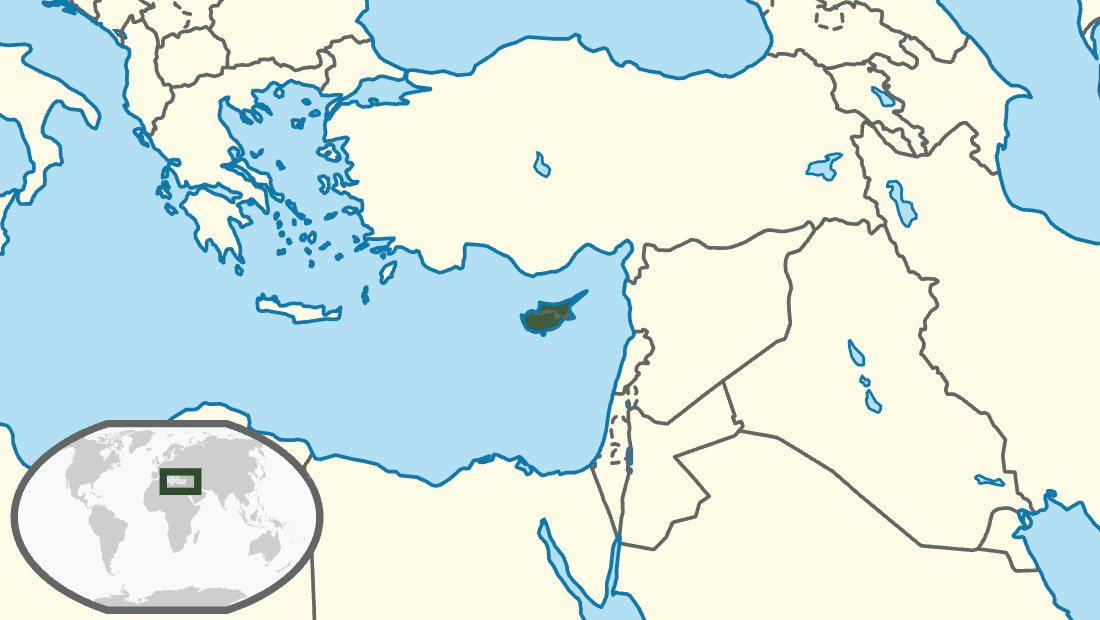
So… where exactly is Cyprus?
Tucked into the far-eastern corner of the Mediterranean — a short hop south of Turkey, with Greece to the west and the Middle East and Egypt just across the water. The third-largest island in the sea, small enough to drive across in a morning, old enough to have seen just about everything.
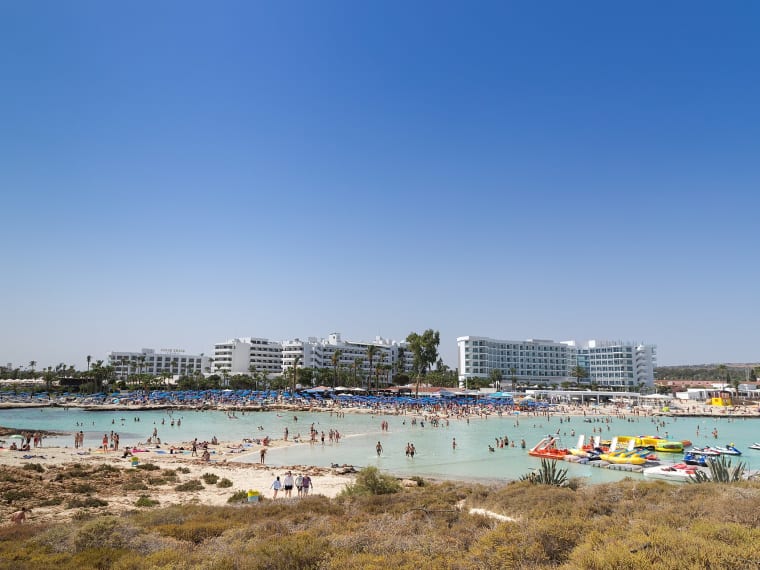
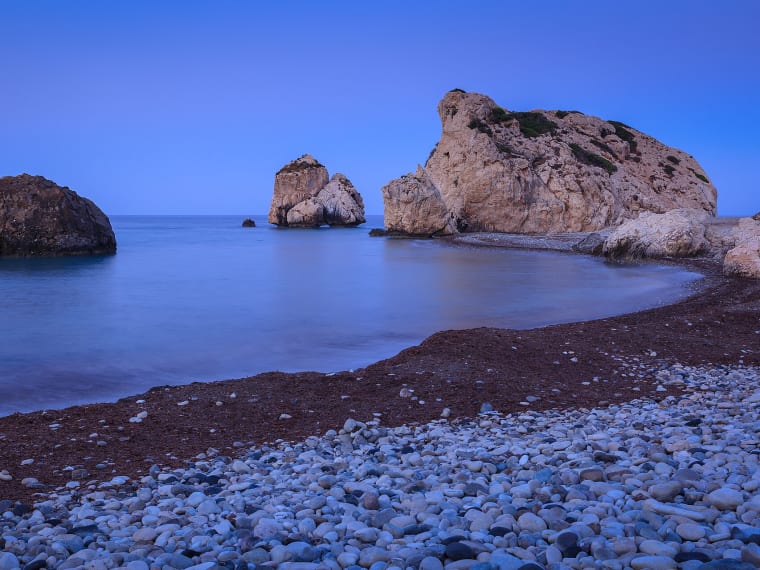
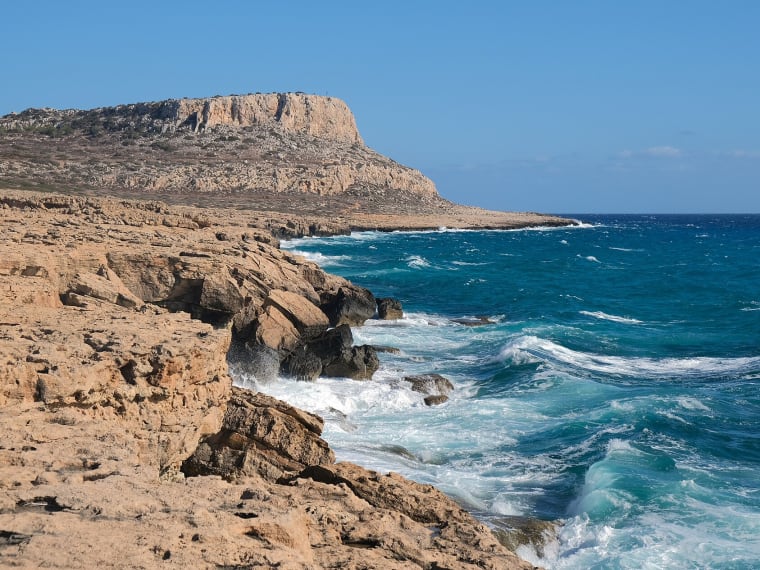
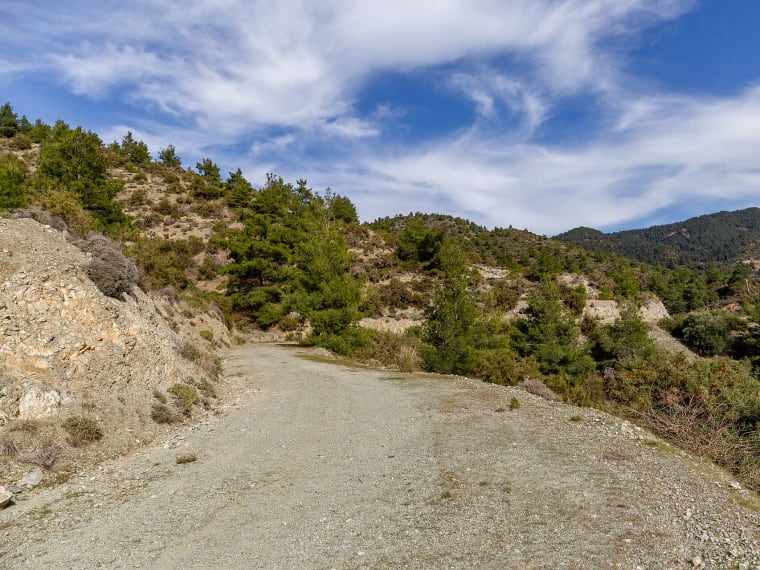
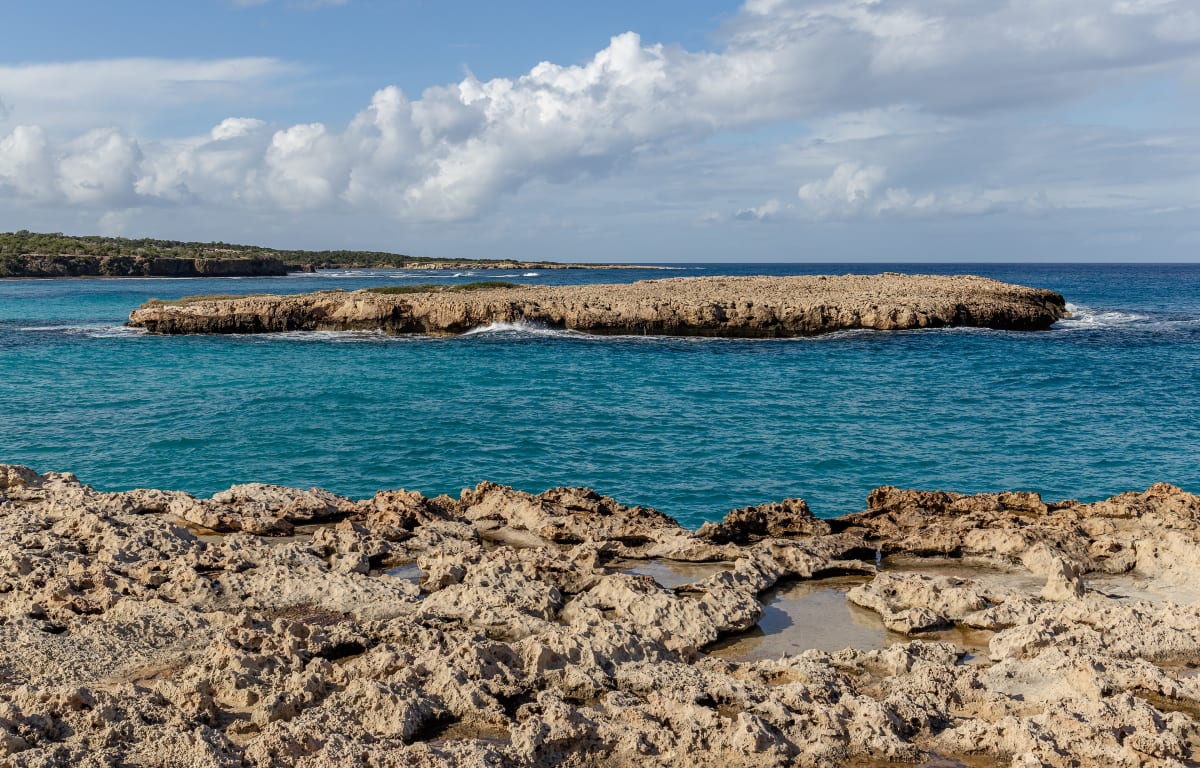
Beaches, cliffs & pine forests
All of it within an hour of each other — you can swim in the morning and walk in the pines by afternoon.
Old, passed-around, and a bit magical
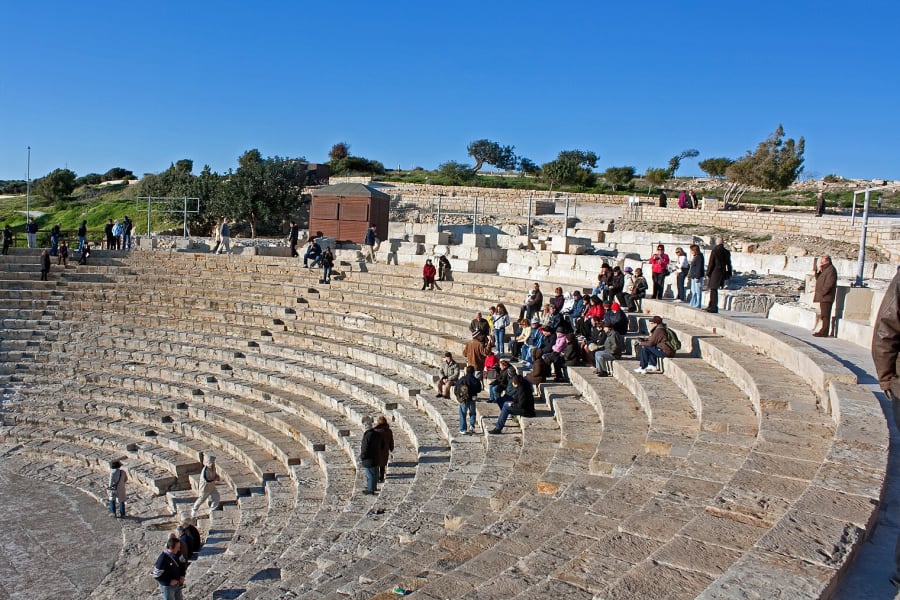
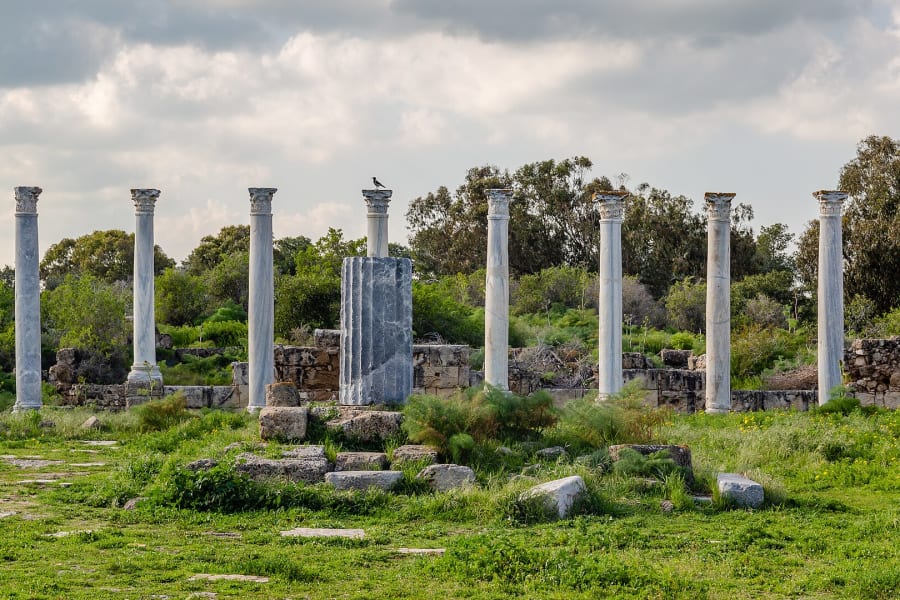
Cyprus is properly old — people have been living and making things here for more than ten thousand years. Being a beautiful island in the middle of three continents, it was never left alone for long: Mycenaean Greeks, Phoenicians, Assyrians, Egyptians, Persians, then Alexander the Great, the Romans, the Byzantines, a crusading English king (Richard the Lionheart, who sold it on), Venetians, Ottomans and finally the British — each one took a turn, and each left a little something behind.
Greek at heart, and only just its own
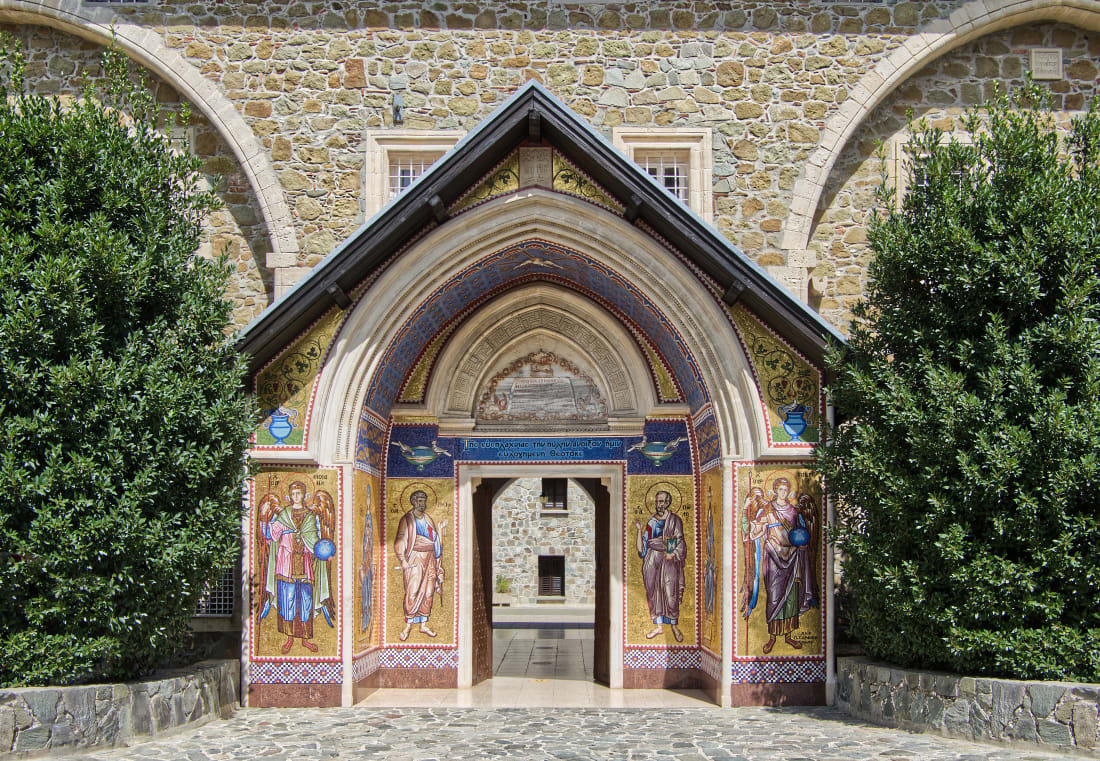
Through all of it, the island stayed deeply Greek — in its language, its Orthodox faith and its stories (this is Aphrodite’s birthplace, after all). Yet Cyprus only became its own country very recently: it won independence from Britain in 1960. A very young nation on a very old island.
And it has known hard times. In 1974 the island was divided in two, and tens of thousands of people — my own family among them — became refugees overnight, leaving behind homes they still dream of. Cyprus carries that quietly. Perhaps it’s why we hold the idea of home so close — and why so much of what I make is meant to make a home feel warm and alive.
Could it be the lost Atlantis?
Here’s a fun one to end on: a few explorers are convinced that Cyprus is the last mountaintop of Atlantis — the mythical sunken land — still poking above the waves after the rest slipped beneath the eastern Mediterranean thousands of years ago. The archaeologists just smile and say “take it with a large pinch of salt.” But it’s a lovely thought on an island this old.
A forest that fell from the sea
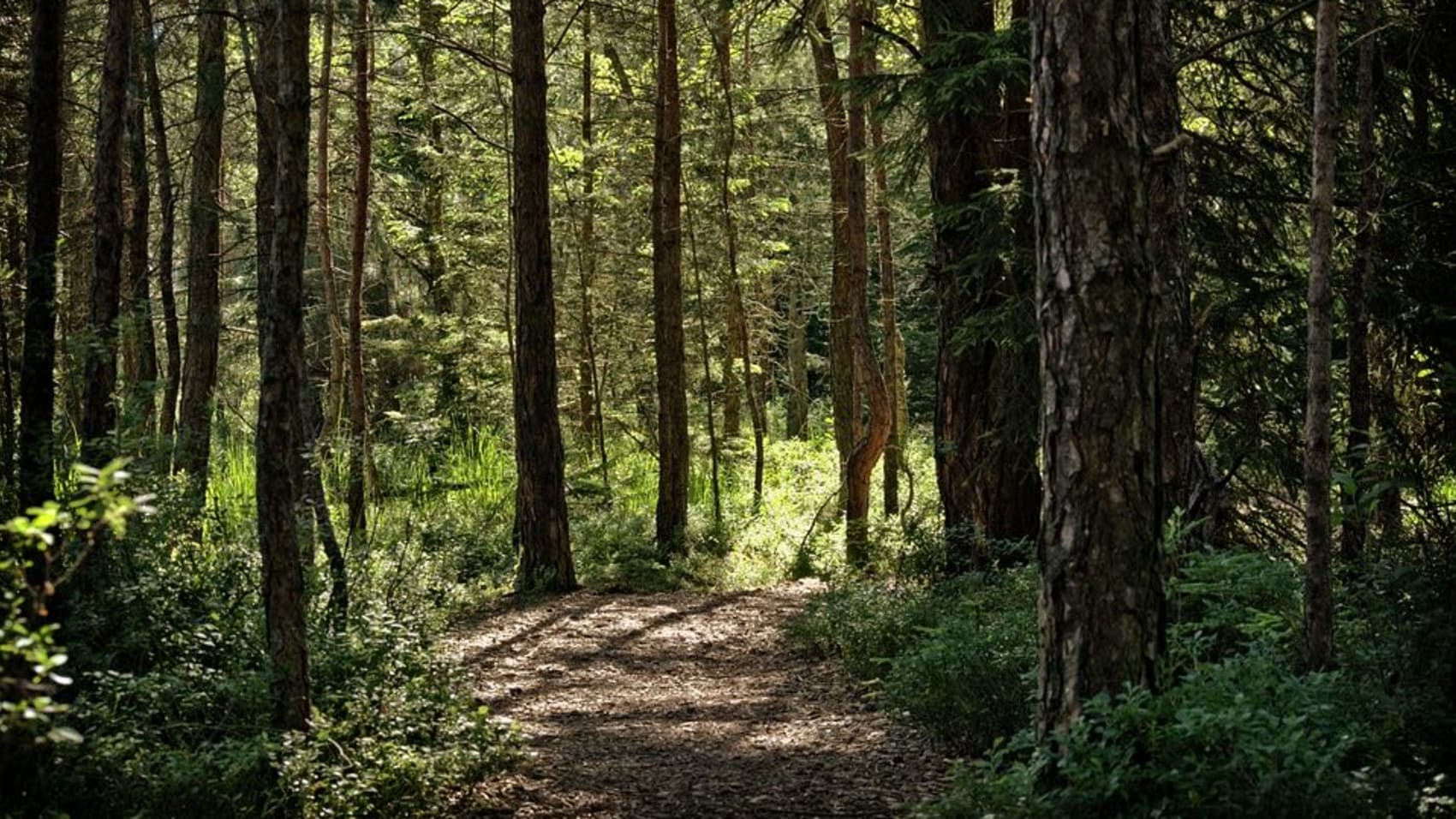
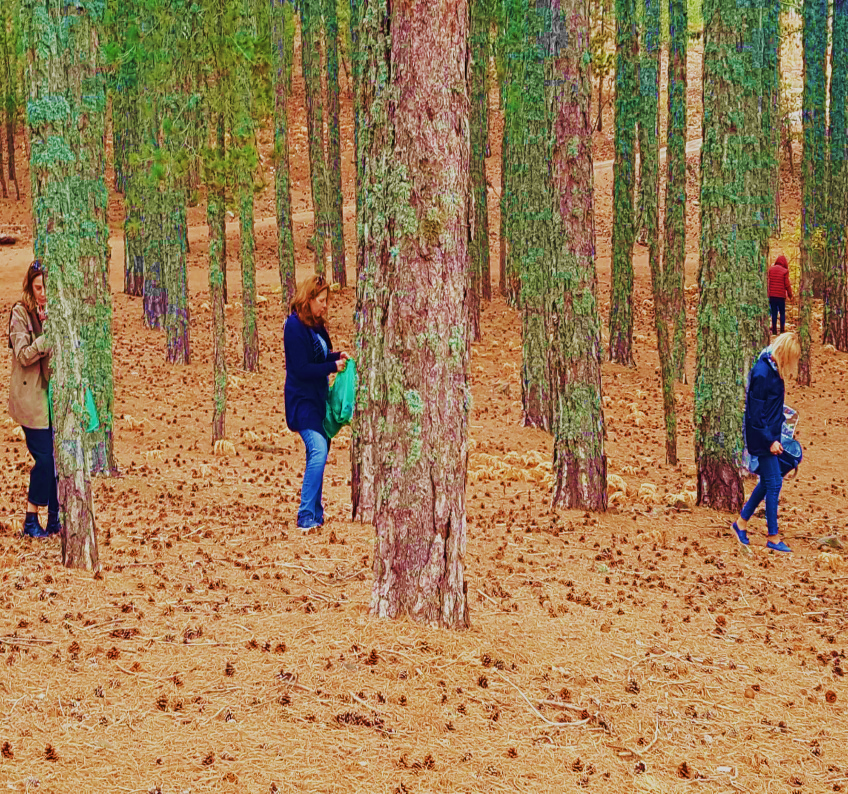
Here is the part I love most. The Troodos mountains, where I gather, are not ordinary mountains at all — they are a piece of ancient ocean floor, pushed up to the sky. The rock formed some 92 million years ago, eight kilometres beneath a long-vanished sea.
It’s one of the best-preserved in the world — a UNESCO Geopark that geologists travel from across the globe to study, just to understand how the seabed itself is made. So every pine cone I pick up has grown on the bottom of an ancient ocean. I find that quietly wonderful.
Life only this island has
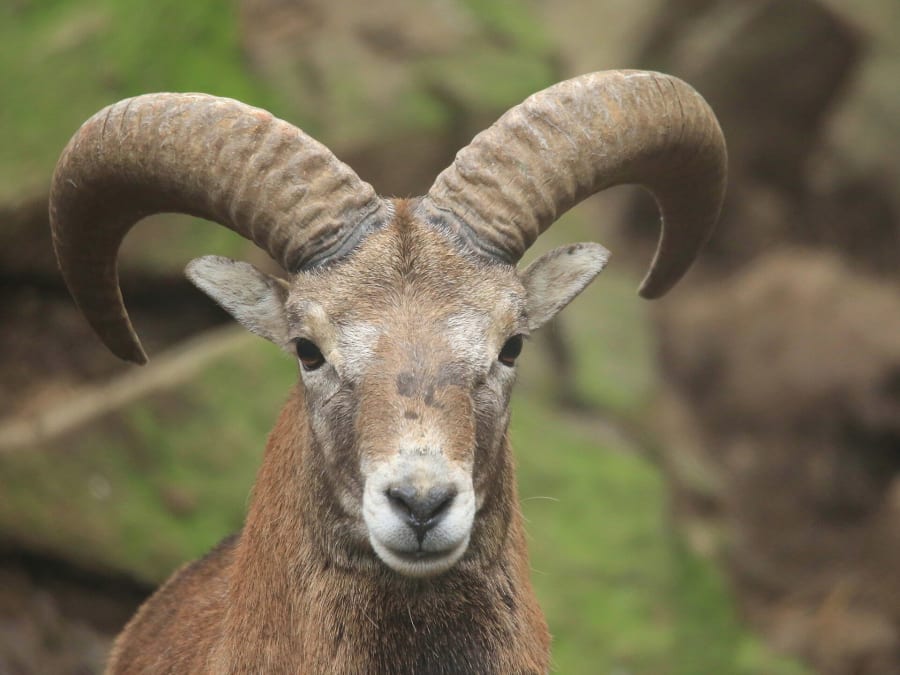
Being an island on its own for so long, Cyprus grew its own living things. Up in the forest you’ll find trees that exist nowhere else on earth — the Cyprus cedar and the golden oak — and, if you’re lucky and quiet, the shy mouflon, a wild mountain sheep that has become the island’s emblem.
(Long ago, before people ever arrived, Cyprus even had its own dwarf hippos and dwarf elephants, no taller than a large dog. Nature does curious things on an island.)
A piece of the island, made for you
Each one is handmade here in Cyprus and sent with tracking, anywhere in the world.
Island & map images via Wikimedia Commons (CC BY / CC BY-SA): Nissi Beach © dronepicr; Petra tou Romiou © A. Zelenov; Cape Greco © kallerna; Troodos forest © M. Klajban; Kourion theatre © Wknight94; Salamis © M. Klajban; mouflon © WoodsAndrew; Kykkos Monastery © Berthold Werner; Akamas coast © M. Klajban; locator map © TUBS.